

Getting There
Entebbe international airport which lies 40km from Kampala, is served by a number of international airlines, including Uganda airlines, SN Brussels, Ethiopian airlines, Rwanda air, Kenya airways, Fly Emirates, Egypt air, among others.
On Arrival
Customs and immigration officials are polite and efficient, and a visa is required before travel. Apply for a Uganda visa at https://visas.immigration.go.ug/ Foreign exchange and ATM facilities are available at the airport, which is also serviced by several shops and restaurants. Most midrange to upmarket hotels in Entebbe and Kampala will arrange airport transfers by request, as will any other tour operator based in or around the capital. Local time is GMT +3.
Health
A certificate of yellow fever vaccination is required. All visitors should take malaria prophylactic drugs. Itis advisable to drink bottled rather than tap water.
Money
The unit of currency is the Uganda Shillings. The US dollar is traditionally the hard currency of preference, but Euro and Pound Sterling are also widely accepted. Hard currency cash can be changed for local currency at private bureaus in all large town and land borders, but travelers cheques are not widely accepted outside Kampala. Local currency can be drawn against VISA and other major credit cards at selected ATMs in Kampala, at Entebbe international Airport, and in a few other large towns.
Language
Educated Ugandans are generally fluent in English, which is the official language. Of 30-plus indigenous languages, Luganda serves as something of a lingua franca.
When to Visit
Uganda can be visited at anytime, though mountain hikers, gorilla tracking and other forest walks are more challenging during the rains, which generally peak over mid-September to November and March to May.
What to wear
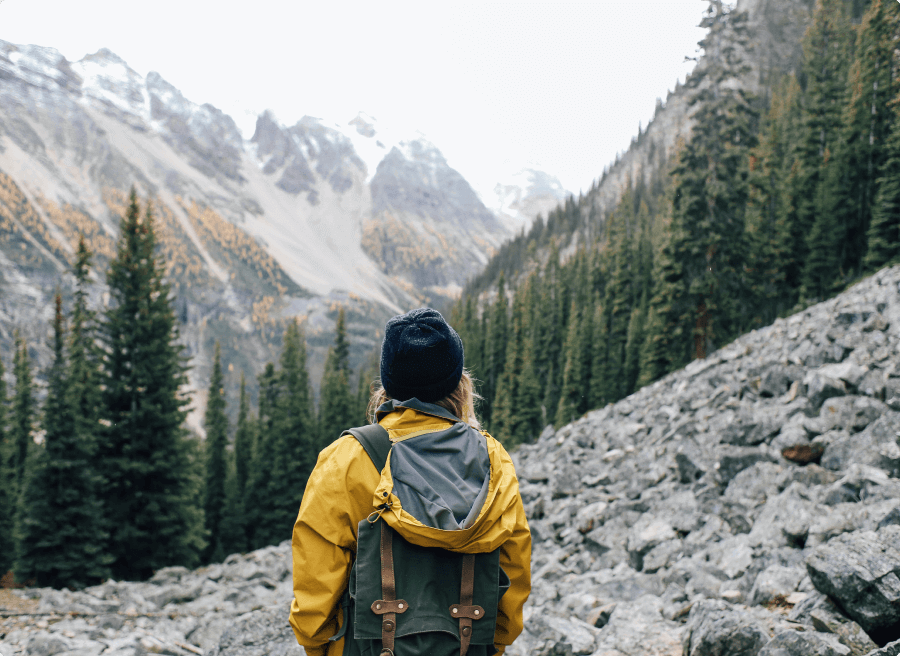
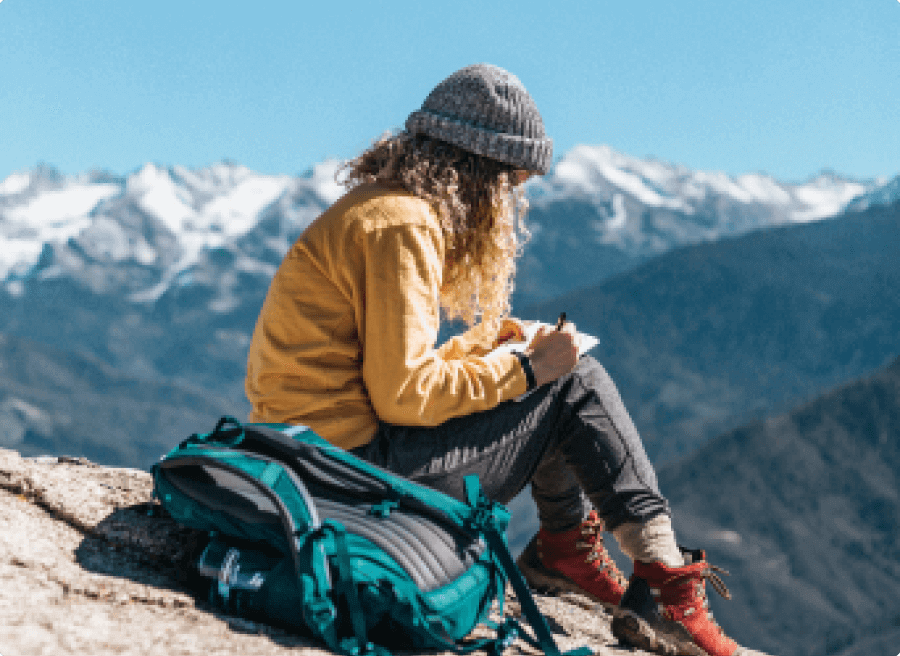
Daytime temperatures are generally warm to hot, so bring lots of light clothing. Evenings are cooler , especially at high altitudes, so carry a couple of light sweaters too. Those who intend to hike on the mountains will be exposed to alpine temperatures and should pack accordingly. Solid walking shoes and sturdy clothing are ideal for for forest walks. Don’t forget to bring a hat, sunglasses, and a water proof jacket.
What to bring
A valid passport is mandatory, and visa requirements should be checked before you travel. To make the most of game reserves and national parks, carry binoculars and field guides. Photographers will need a zoom lenses for wild life (70-300 or similar). Toiletries and other essentials can be bought in the cities.
Driving
Driving is on the left side. Visitors without experience of African roads are advised to organise a vehicle with a driver rather than self drive.
Tipping
Tipping is not a standard practice at local hotels and restaurants, but it will always be appreciated. It is always normal to tip 5-10% at tourist oriented restaurants. Guides and drivers should always be tipped.
Food and drink
Tourist-oriented hotels and restaurants serve good western-style meals, while a wider range of cuisines being available in the capital and some larger towns. Local restaurants serve Ugandan dishes, typically ugali (a stiff maize porridge) or matoke (cooked banana) eaten with a stew.
What to buy
A wide selection of local handcrafts are available as souvenirs. These include musical instruments, such as the hide drums made in the vicinity of Mpigi, as well as excellent local basketwork, paintings, batiks and pottery.
Further information
Guidebooks from Bradt, Spectrum and Lonely Planet, and a wide range of other books about Uganda, can be bought at bookstores in Kampala. The Tourism Uganda website http://www.visituganda.com contains information about all tourist attractions and protected areas